
Jump to a section
Choose the overnight arrangement
Compare a dedicated guest room, an approved overnight space in a resident's room, and accommodation outside the building. Consider how often visits occur, typical stay length, available bathrooms, and the resident's preference.
Plan the seating beside the other room furniture. The bedroom and suite package guide brings those decisions together, while the Texas building, floor and room schedule keeps the destination of each piece visible across a larger project.
A rarely used room may still be valuable during a difficult family visit, but it also needs cleaning, booking, and maintenance. Review actual requests before assigning permanent space. Keep clinical decisions about bedside stays with the care team.

Check furniture in its overnight position
Draw a sleeper chair or sofa fully opened. Include luggage, a companion's chair, and the route to the bathroom. A piece that fits while folded may block staff access or an exit when someone sleeps on it.
Request the product's sleeping-use instructions, cleaning requirements, and operating method. Check who will open and close it. Provide a usable bedside surface, a reachable light, and convenient charging without trailing cords. Comfort during a ten-minute showroom visit is not the same as suitability for an overnight stay.

Provide somewhere to step away
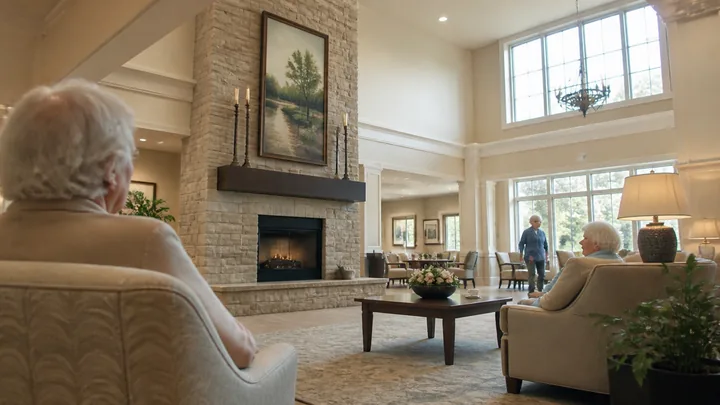
A family member may need a quiet phone call, a meal, or a short break while remaining nearby. Identify a sitting area with clear access to toilets and drinking water. Avoid treating a busy circulation corridor as the only family waiting space.
For bedside visits, discuss where relatives can store coats and bags without displacing care equipment. Ask what privacy the resident wants when other family members arrive.
Make visits easy to arrange
Give families a short information sheet covering booking, arrival, after-hours access, meals, parking, bathroom facilities, and whom to contact. Explain which items are supplied and any agreed charges before arrival.
Assign responsibility for room turnover and lost items. State how extensions are handled so the next booking does not become a last-minute conflict. Offer accessible communication formats when needed.

Prepare the room before promising it
Walk through the complete visit with the staff who host it: arrival, settling in, overnight access, morning care routines, and departure. Resolve unclear responsibilities before advertising the room.
For the guest room's furniture, lighting and bathroom checks, adapt Guest Room Standard's room-walk checklist to your overnight arrangements.
- Confirm the resident agrees to the arrangement.
- Check the approved overnight layout and bathroom access.
- Prepare linen, lighting, storage, and contact information.
- Name the person who handles problems after hours.
After the visit, ask one practical question: what was missing or difficult? Use the answer to improve the next stay.

Sources and scope
These primary and research sources anchor the subject area; they do not turn every design recommendation in this article into a proven outcome. Verify current law, adopted code, licensing rules, care plans, and clinical requirements for the specific property.