01 / Your furniture plan
Choose two positions for the comparison.
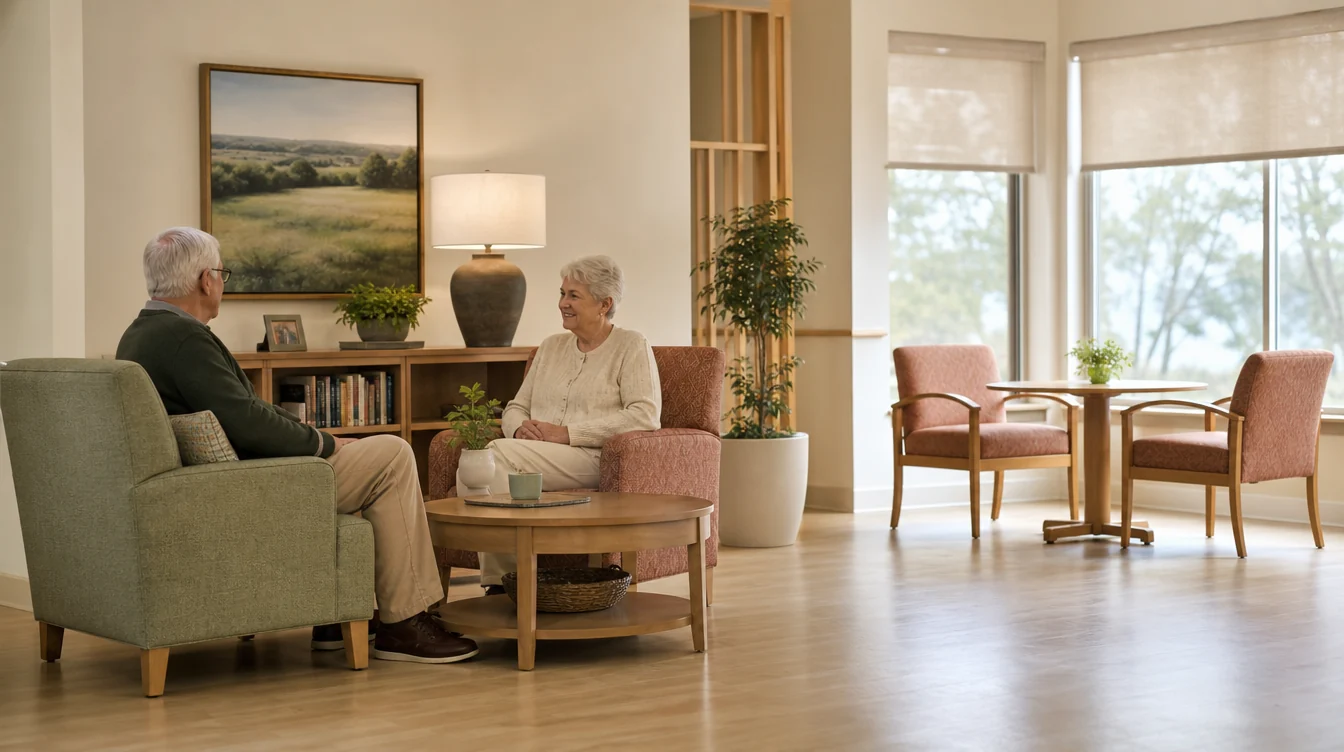
Label the actual locations on the room plan, such as P1 beside a retained reading table and P2 within the main conversation group. Photograph the flooring, tables and nearby finishes at each position. Record the room lighting used during the review. Keep these as two settings for the same comparison so the team can explain where a preference came from.
02 / Your furniture plan
Identify the chair and each available sample.
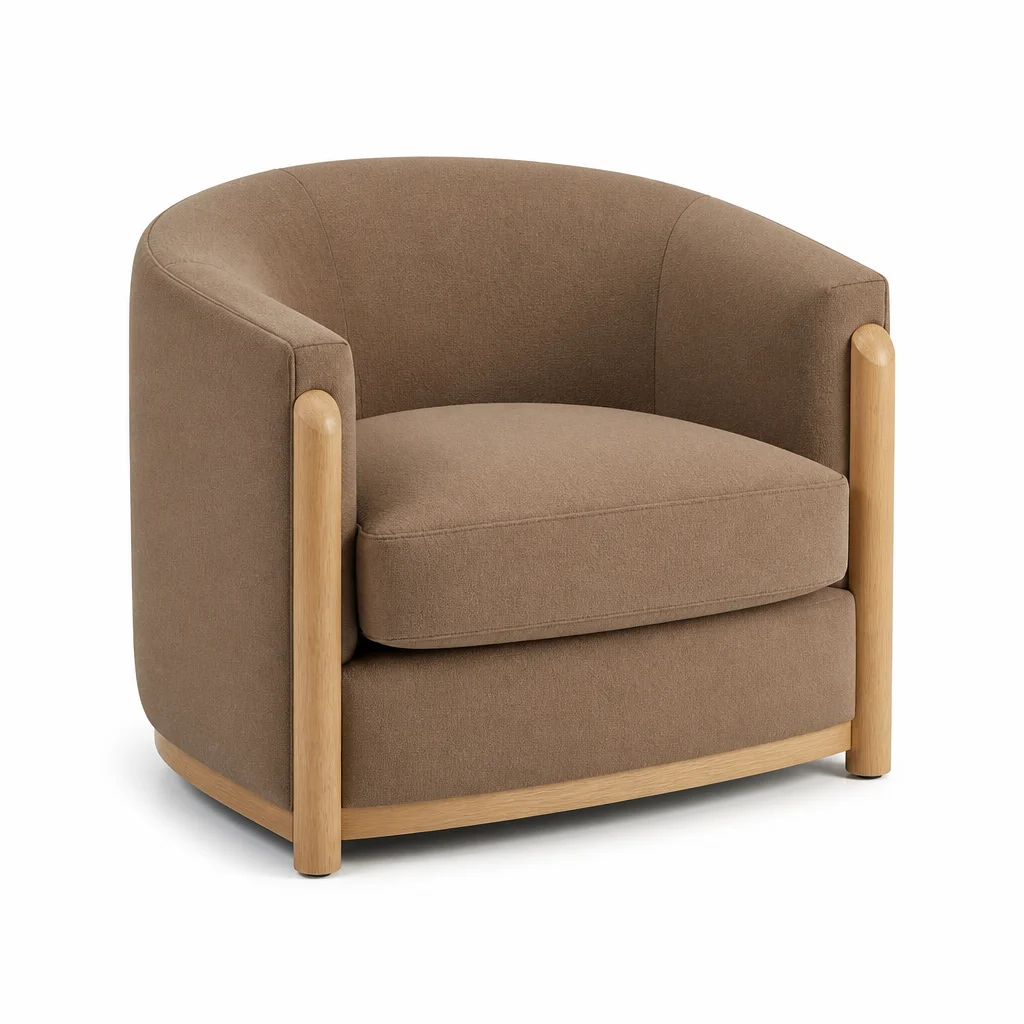
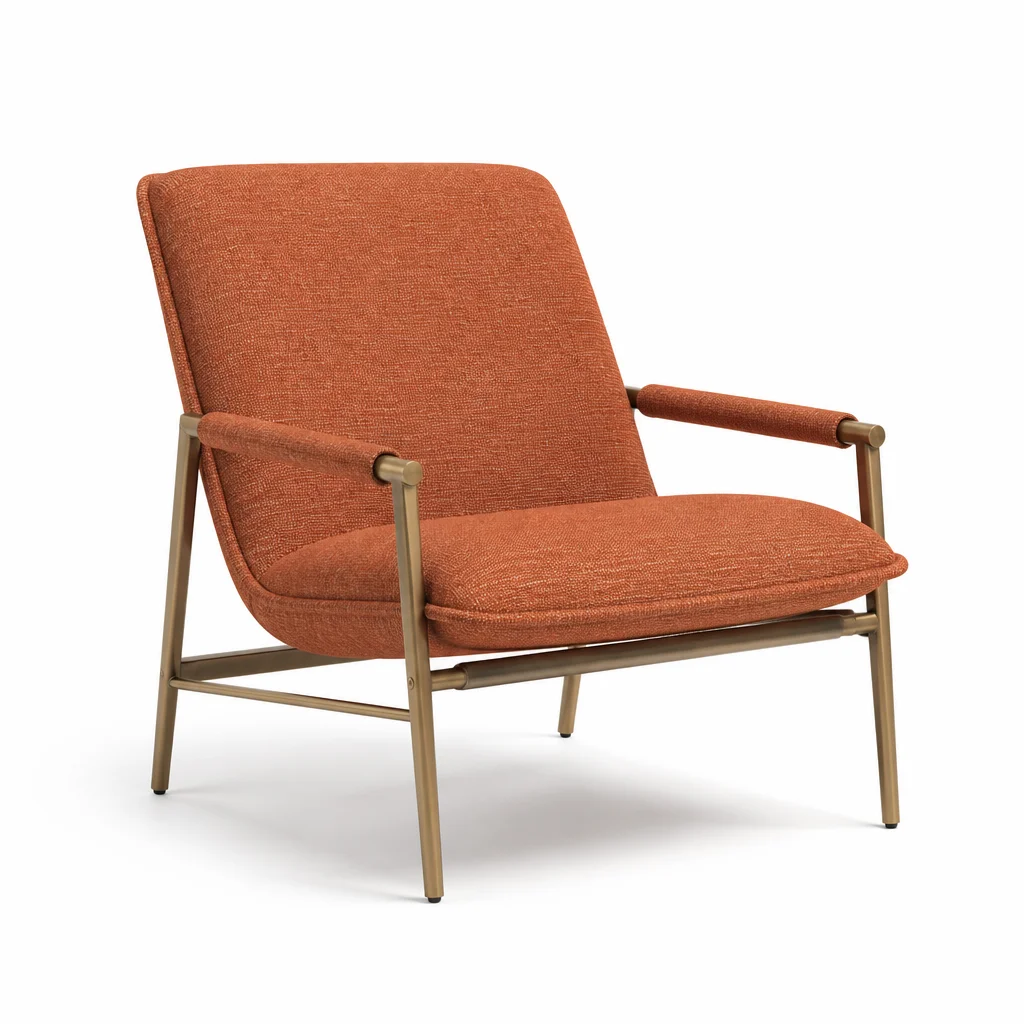
Give the proposed lounge-chair line a project identifier and record its actual model and configuration. Add the exact references for the materials available for that item. Keep each sample tied to the chair it can be considered with; a sample offered elsewhere is not automatically an option on this model. Save the supplier information separately from the team’s own visual observations.
03 / Your furniture plan
Compare the same samples in both positions.
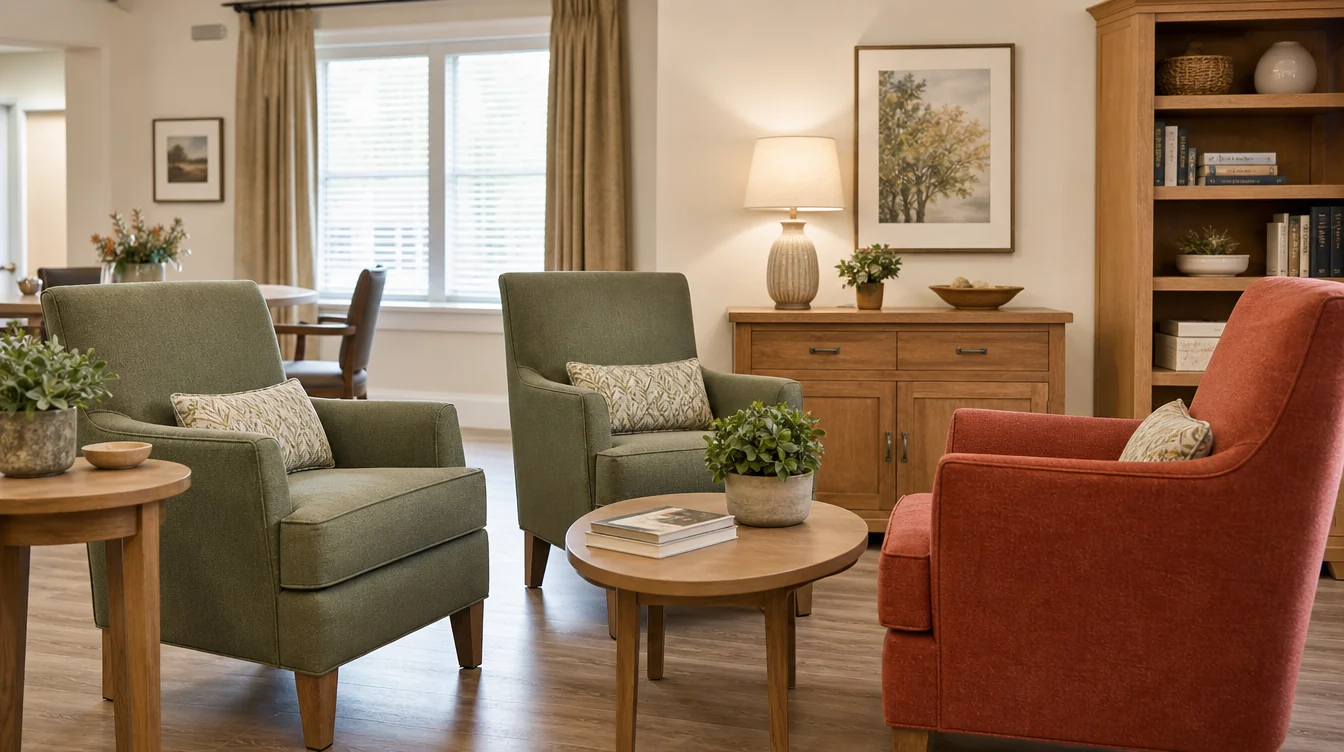
Review each available option at P1 and P2 beside the retained materials. Record who reviewed it, the date, the lighting and a plain description of the visual preference. Keep alternatives named until a choice is made. If the team prefers different combinations in the two groups, record that difference explicitly instead of turning the result into one ambiguous instruction to match the lounge.
04 / Your furniture plan
Give sofa materials their own item record.
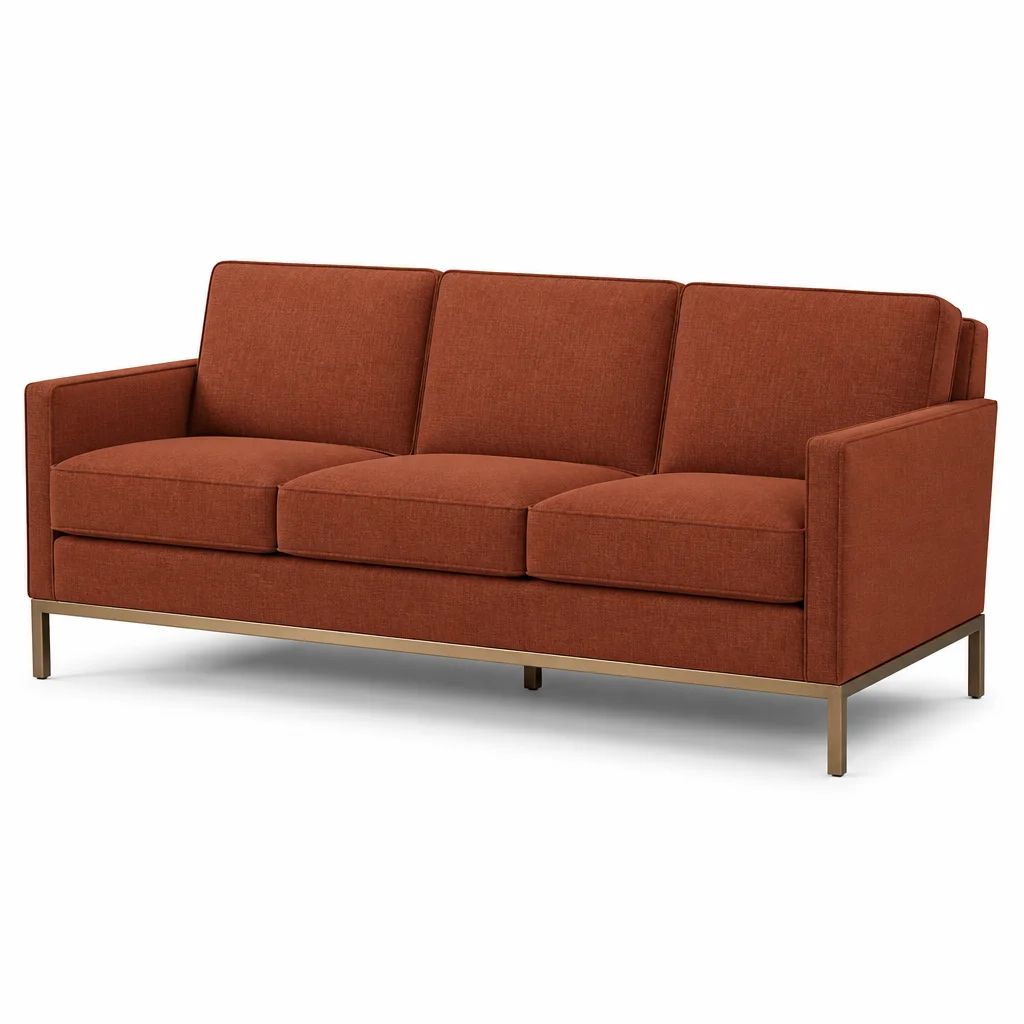
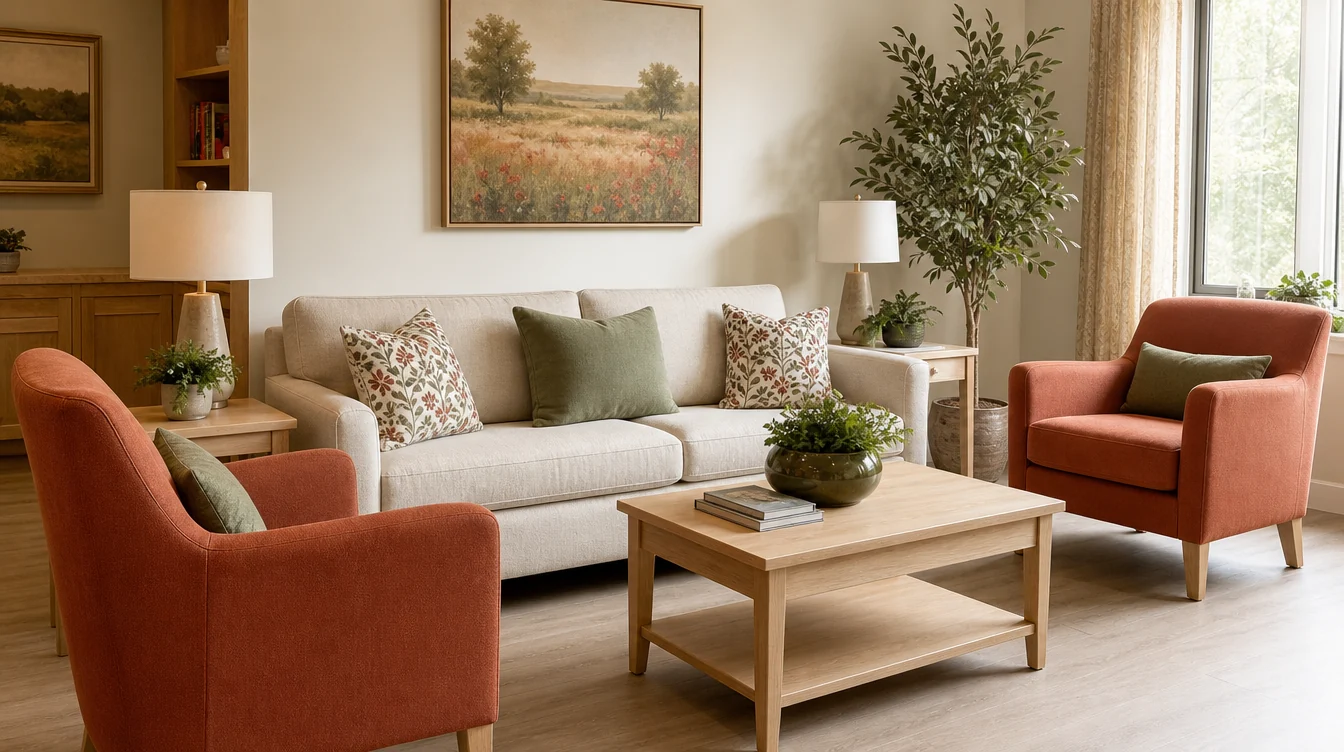
Repeat the comparison for the exact sofa line and the options available for it. Record sofa dimensions and its intended group separately from the material choice. Do not carry a chair sample reference onto the sofa without confirming that option for the sofa itself. Keep each sofa as a piece in the purchasing list, with intended occupancy reviewed independently.
05 / Your furniture plan
Keep care questions outside the visual preference.
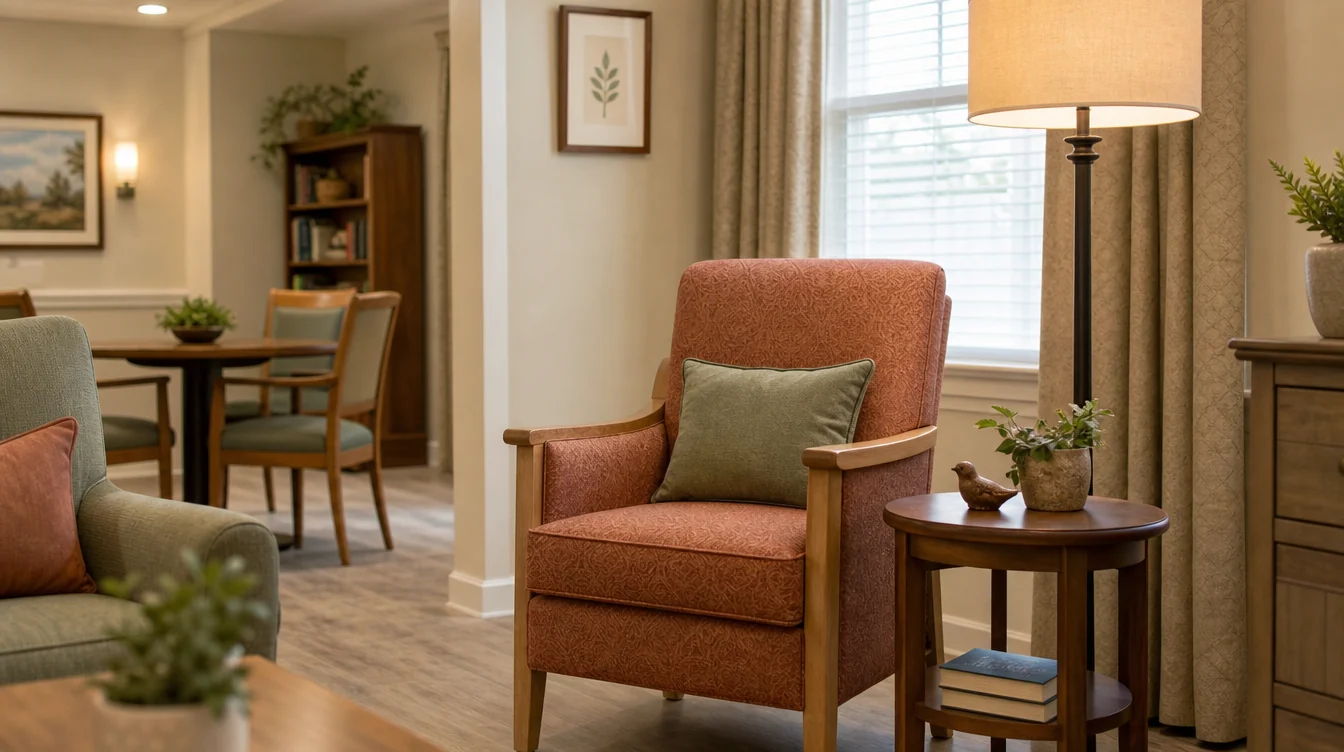
For each preferred item-and-material combination, request the applicable care information and record what remains unanswered. A note that a sample looks right beside the table does not establish fading, heat or clinical performance. The visual choice can be recorded while the product-information decision remains open. If outdoor furniture is also requested, give it a separate setting and specification rather than extending the indoor result.
06 / Your furniture plan
Translate the comparison into quantity lines.
Assign each preferred combination to the room positions that will use it. For illustration, the same chair line might be requested as two pieces with available sample A at P1 and four with available sample B at P2. A sofa line with its own sample C remains separate. These labels are comparison identifiers, not catalogue material names. Send the Arizona location, exact references, quantities and open questions with the inquiry.
An illustrative room schedule
Illustrative sample-to-quantity decision
| Room | Lounge chairs | Sofas |
|---|---|---|
| P1 reading group — LC-1 with available sample A | 2 | 0 |
| P2 conversation group — LC-1 with available sample B | 4 | 0 |
| P2 sofa line SO-1 — its own available sample C | 0 | 1 |
Six lounge-chair pieces and one sofa piece have separate item-and-sample assignments. A, B and C are illustrative review labels. Confirm the actual offered materials and outstanding care information for each line before finalizing it.