01 / Your furniture plan
Define the group included in the first phase.
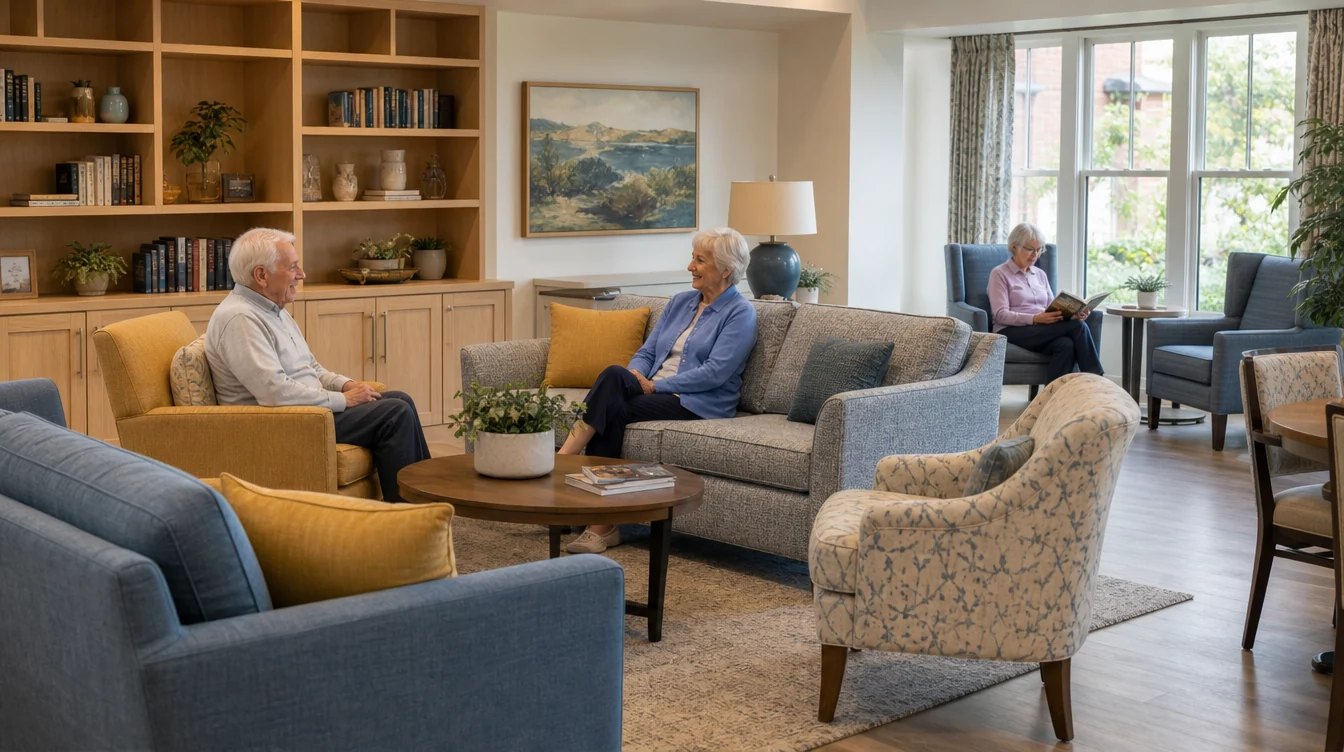
Name the room, show its reviewed furniture arrangement and identify the person responsible for the project decision. List the lounge-chair and sofa pieces included in that phase, with retained furniture shown separately. Record the room-plan revision being used. A later reading lounge can appear as context without becoming part of the immediate purchasing instruction.
02 / Your furniture plan
Record the chair decisions needed to proceed.
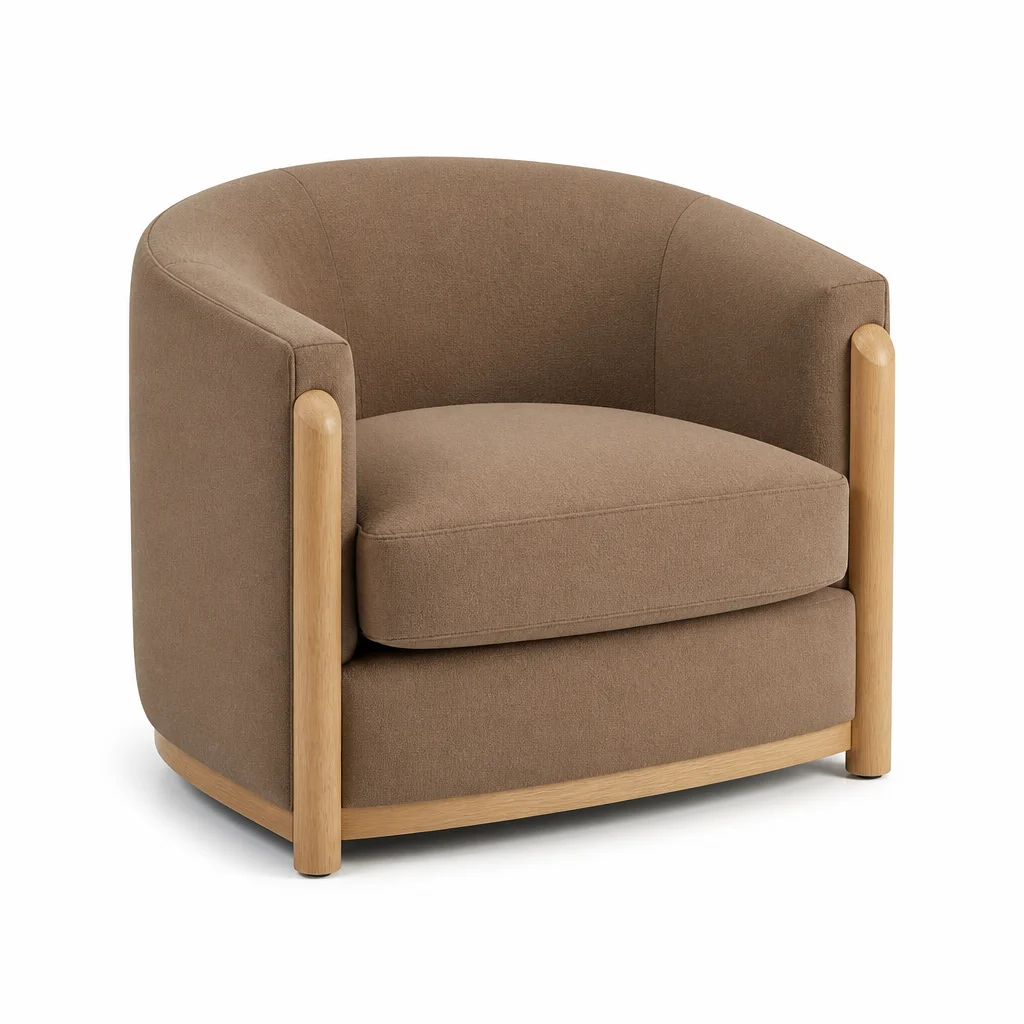
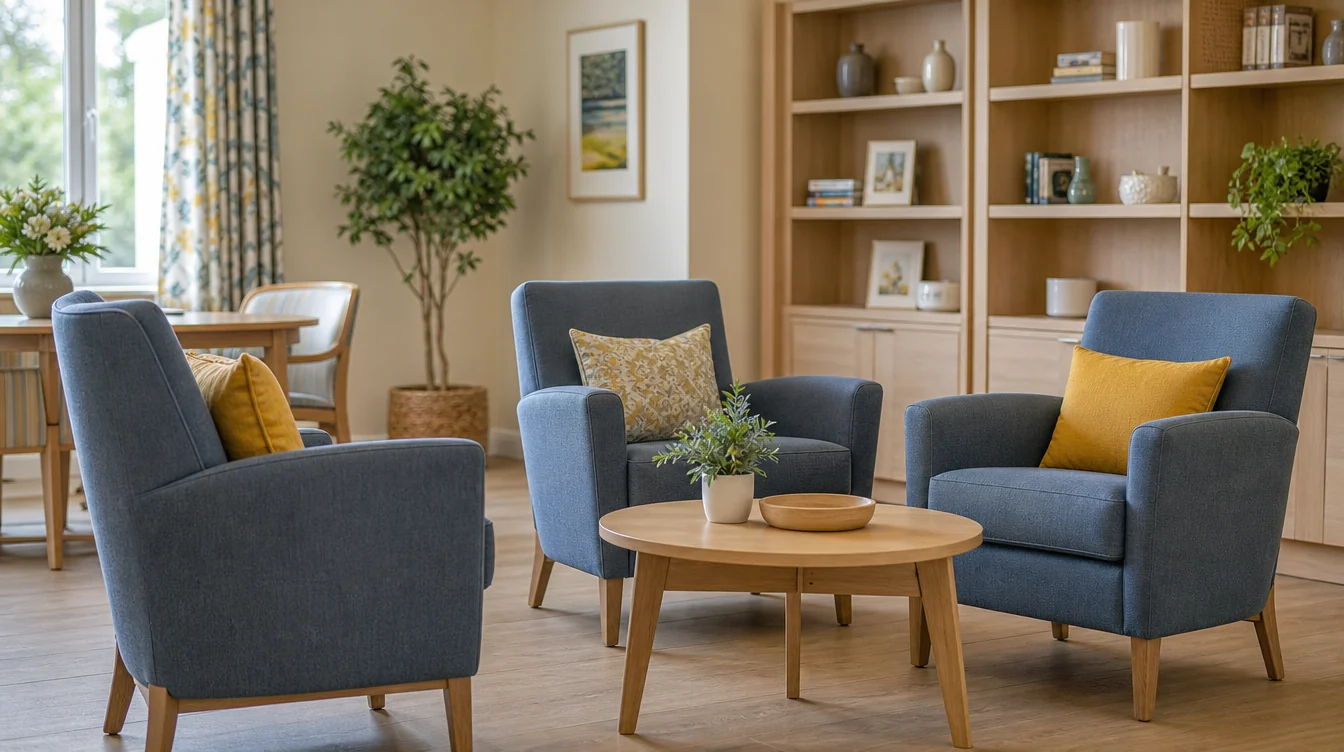
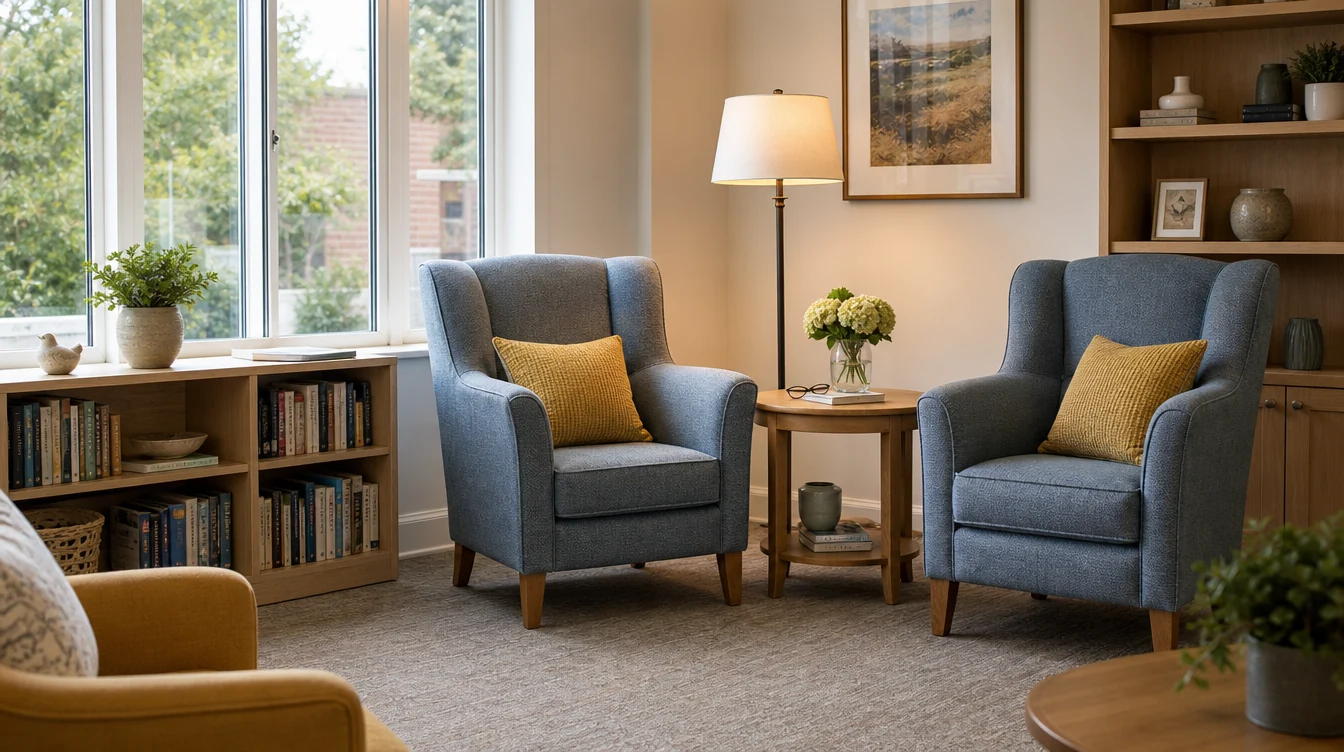
For each lounge-chair line, record the exact model and configuration, the available dimensions reviewed and the selected material reference when confirmed. Identify who accepts each choice and what information remains open. A preferred chair style does not close an unanswered configuration question. Keep the status attached to the item rather than marking the whole room approved after one sample review.
03 / Your furniture plan
Give every open item an owner and next action.
Use a short decision record with the furniture line, missing answer, person following up and next review date. Distinguish an internal preference still being discussed from information requested about the actual product. Keep the current phase open until the answers required for its scope are resolved. If the team changes the phase, save a revised piece list rather than silently dropping an unresolved item.
04 / Your furniture plan
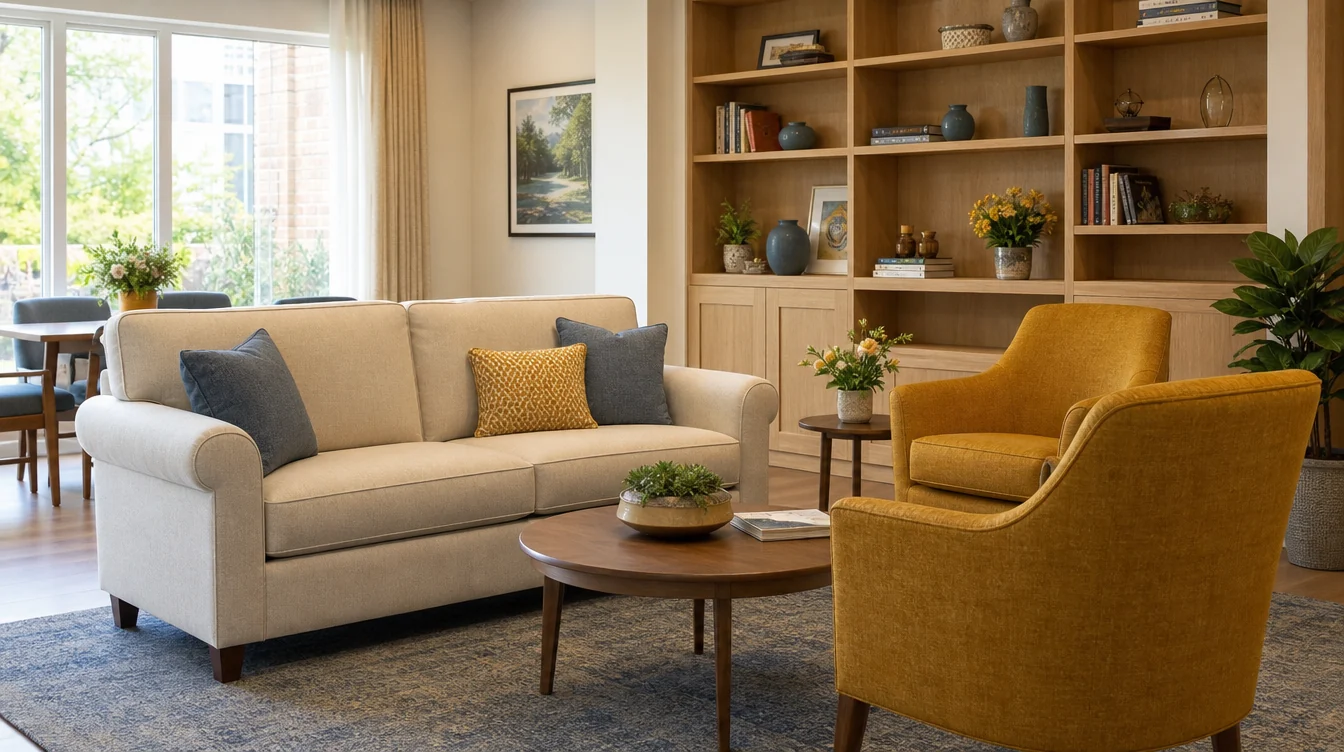
Review the sofa and receiving scope explicitly.
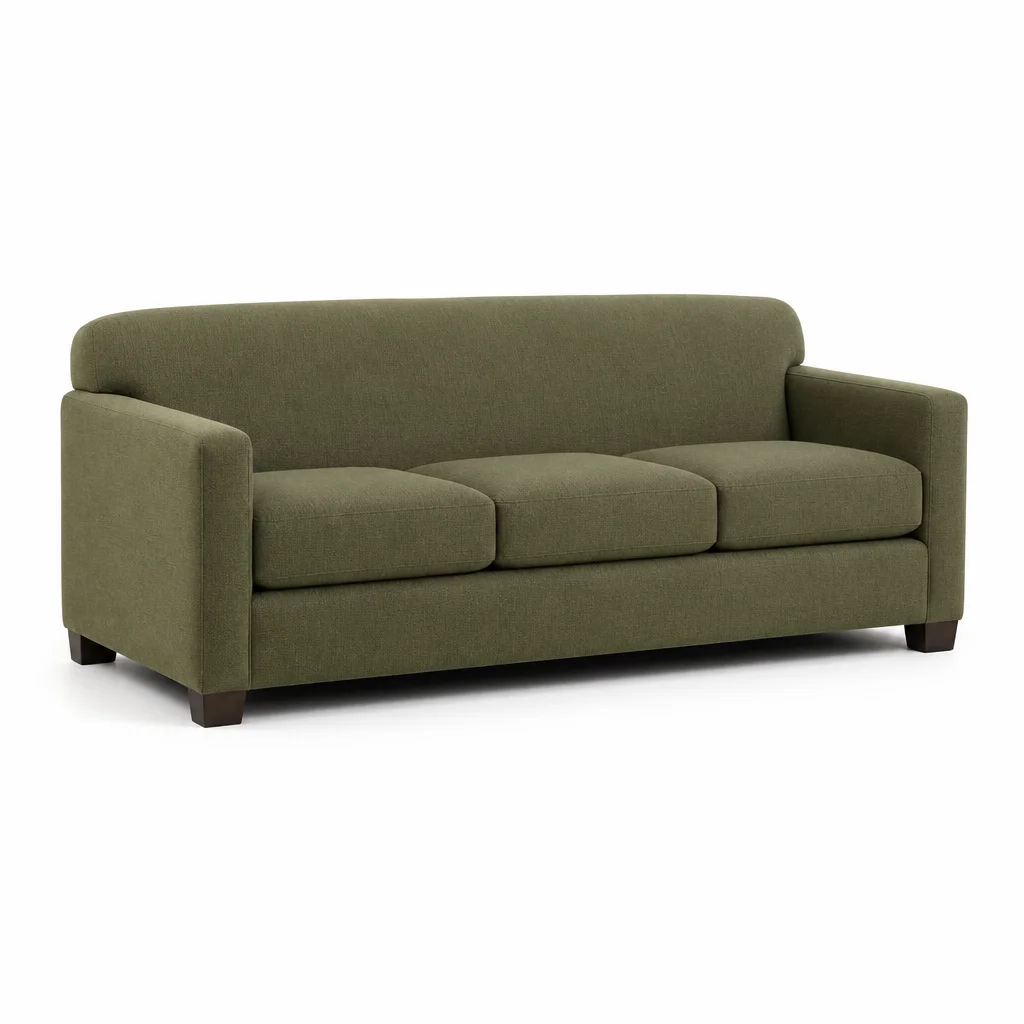
Record the sofa model, dimensions, configuration and available material choice independently from the chairs. Include the route and proposed handling questions relevant to that item. Ask about current availability and delivery scope for the actual proposal; a desired sequence is not confirmation. Keep the sofa line open when one of those required answers is still missing.
05 / Your furniture plan
Separate an accepted group from a released instruction.
An accepted room arrangement records the team’s intended furniture group. The next purchasing instruction also needs its exact item list, resolved product and material decisions, and the proposed receiving scope confirmed for that request. Record the date and revision when the team decides to proceed. A later change to an affected item reopens that decision without automatically rewriting every other phase.
06 / Your furniture plan
Send the immediate list with the waiting lines visible.
In an illustrative plan, phase one contains four lounge chairs and one sofa; phase two contains three lounge chairs and one sofa. The first chair choices are recorded, but the phase-one sofa’s configuration and handling scope remain unanswered. Phase one therefore stays open as defined. The team can wait or explicitly revise its scope; it should not present the full phase as ready merely because four chairs have been selected.
An illustrative room schedule
Illustrative phase decision schedule
| Room | Lounge chairs | Sofas |
|---|---|---|
| Phase one — defined immediate scope, sofa decision open | 4 | 1 |
| Phase two — later scope, no instruction to proceed | 3 | 1 |
The immediate scope is four lounge-chair pieces and one sofa piece; the later scope is three lounge-chair pieces and one sofa piece. Together they describe seven chairs and two sofas, but the combined total is not the immediate request. Phase one remains open until its required decisions are resolved or the scope is explicitly revised.